
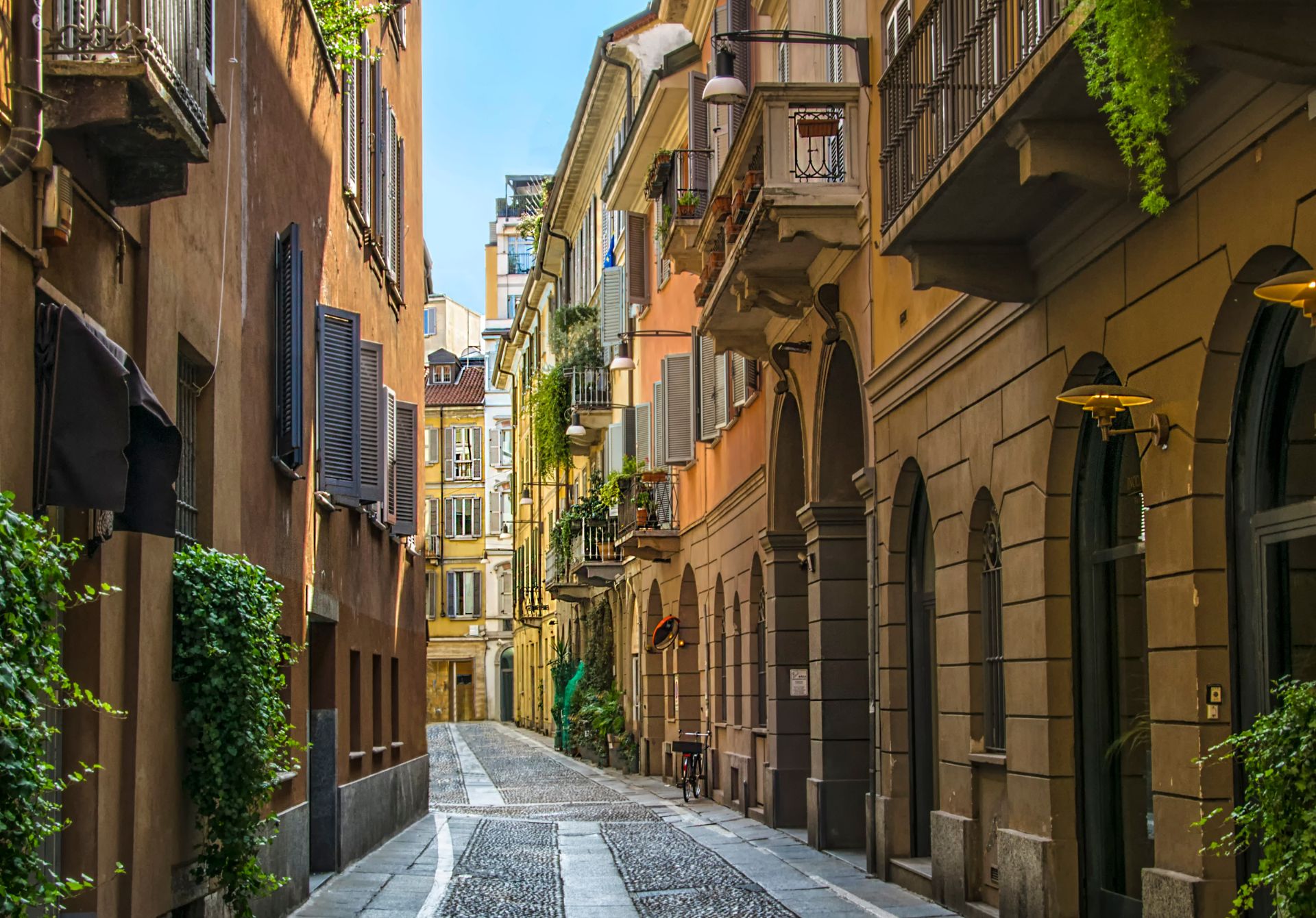
Let me tell you about one of Milan’s best-kept secrets that absolutely deserves a spot on your Italian itinerary. While most visitors flock to the Duomo or rush to snap selfies at La Scala, the Brera Quarter quietly goes about its business being utterly enchanting. This bohemian neighborhood in the heart of Milan is where cobblestone streets meet contemporary art galleries, where centuries-old palazzos house cutting-edge design studios, and where you can genuinely feel like you’ve stumbled into the “real” Milan.
What Makes Brera Special?
Think of Brera as Milan’s answer to Paris’s Montmartre or Rome’s Trastevere—but with its own distinct Milanese sophistication. Located in the city’s District 1, this historic quarter has been the intellectual and artistic heart of Milan since the 18th century. What started as a haven for artists and intellectuals has evolved into one of the city’s most vibrant neighborhoods, where tradition and innovation coexist beautifully.
The area gets its name from the Brera Palace, which houses the renowned Pinacoteca di Brera art gallery. But honestly, the entire neighborhood feels like a living gallery where every corner reveals something worth photographing, from ivy-covered facades to hidden courtyards that suddenly appear behind unassuming doorways.
Must-Visit Cultural Highlights
The Pinacoteca di Brera is obviously the heavyweight champion here. This world-class art museum showcases an incredible collection of Italian Renaissance masterpieces, including works by Raphael, Caravaggio, and Mantegna. The gallery occupies a 17th-century palace, and just wandering through its elegant rooms is an experience in itself. Pro tip from your friendly concierge: visit on the first Sunday of the month when admission is free, but expect crowds.
But Brera’s cultural scene extends far beyond one museum. Here’s what else deserves your attention:
- Orto Botanico di Brera: A serene botanical garden tucked behind the Brera Palace, offering a peaceful escape from urban energy
- Santa Maria del Carmine: A stunning Gothic church that many tourists overlook, featuring beautiful frescoes and an impressive baroque facade
- Contemporary art galleries: Dozens of small galleries showcasing emerging and established artists line Via Fiori Chiari and surrounding streets
- Accademia di Belle Arti: Milan’s prestigious fine arts academy, where you might catch student exhibitions or simply admire the creative atmosphere
The Brera Lifestyle: Food, Drinks, and Shopping
Here’s where Brera really shines for travelers looking for authentic experiences. The neighborhood is packed with establishments that cater to locals rather than tour groups, which means you’re getting the genuine article.
The aperitivo tradition reaches its peak in Brera. Around 6 PM, the streets come alive as Milanese residents emerge for their pre-dinner drinks accompanied by elaborate buffets of snacks. Bar Brera and N’Ombra de Vin are local institutions where you can experience this ritual properly—expect to pay €8-12 for a drink that comes with enough free food to constitute dinner.
For dining, you’ll find everything from traditional Milanese trattorias serving saffron risotto and ossobuco to innovative fusion restaurants. The beauty of Brera is that even the tourist-friendly spots maintain high quality because they’re competing with places that locals actually frequent.
Shopping in Brera feels like treasure hunting. Forget the chain stores—this is the territory of:
- Independent boutiques showcasing Italian fashion designers you’ve never heard of but definitely should know
- Antique shops where you might find anything from vintage Murano glass to Art Deco furniture
- Artisan workshops selling handmade leather goods, jewelry, and home décor
- Specialty bookstores focusing on art, design, and architecture
Navigating Brera Like a Local
The best way to experience Brera? Get deliberately lost. Seriously, put your phone away and just wander. The district is compact enough that you won’t actually get lost, but spontaneous enough that every turn reveals something new. Via Fiori Chiari, Via Madonnina, and Via Solferino form the main arteries, but the magic happens in the side streets.
Timing matters here. Visit on a weekday morning for a quieter, more contemplative experience—perfect for serious gallery hopping or photography. Weekend evenings transform Brera into a social scene, with crowds spilling out of bars and restaurants onto the streets. Thursday evenings are particularly lively, as many galleries stay open late for exhibition openings.
The neighborhood is easily accessible via Milan’s metro—take the M2 (green line) to Lanza or the M3 (yellow line) to Montenapoleone, both within a five-minute walk. But honestly, if you’re staying anywhere central, walking or biking to Brera is more enjoyable and helps you appreciate how the neighborhood fits into Milan’s urban fabric.
Insider Tips for Making the Most of Your Visit
After years of guiding visitors through Milan, I’ve picked up some strategies that separate the tourists from the travelers. First, breakfast at one of Brera’s historic cafés isn’t just about coffee—it’s a cultural immersion. Order a cappuccino and cornetto at the bar (standing), pay about €3, and watch Milanese morning routines unfold around you.
Second, don’t limit yourself to daytime visits. Brera has a completely different personality after dark, when golden streetlights illuminate the cobblestones and the neighborhood takes on a romantic, almost cinematic quality. The area is safe, walkable, and genuinely magical in the evening.
Third, if you’re visiting during Milan Design Week (usually in April), Brera becomes the epicenter of design exhibitions, installations, and events. The entire district transforms into an open-air showcase of creativity, though accommodation prices reflect this popularity.
Beyond the Tourist Trail
Want to dig deeper? Seek out the courtyards. Many of Brera’s residential buildings feature stunning internal courtyards that are technically private but often accessible during daytime hours if you’re respectful. These hidden spaces, with their columned arcades and central gardens, represent classic Milanese architecture at its finest.
The local market at Via San Marco (just at Brera’s edge) operates on Saturdays, offering everything from fresh produce to vintage clothing. It’s where Brera residents actually shop, giving you a glimpse into everyday neighborhood life.
For contemporary art enthusiasts, keep an eye out for temporary exhibitions in unexpected spaces—converted apartments, studio open houses, and pop-up galleries regularly appear throughout the quarter, advertised by simple posters or word of mouth.
Wrapping It Up: Why Brera Should Be on Your Milan Itinerary
The Brera Quarter represents everything that makes Milan compelling beyond its fashion and finance reputation. It’s where the city’s creative spirit lives and breathes, where history hasn’t been sanitized into a museum experience, and where you can still find authentic neighborhood life alongside world-class culture.
Whether you’re an art lover drawn by the Pinacoteca, a foodie chasing the perfect aperitivo, a shopper hunting for unique finds, or simply someone who appreciates beautiful urban spaces, Brera delivers. It’s compact enough to explore in an afternoon but rich enough to reward multiple visits. More importantly, it’s one of those rare tourist destinations that hasn’t lost its soul in the process of becoming popular.
So when you’re planning your Milan visit, don’t just check Brera off a list—give it the time it deserves. Slow down, embrace the flaneur mentality, and let the neighborhood reveal itself to you gradually. That’s when Brera works its magic, turning casual visitors into devoted fans who understand why this artistic quarter remains Milan’s most charismatic neighborhood.