
If you’re planning a trip to Milan and think the city is all about fashion runways and Gothic cathedrals, think again. Tucked right beside the iconic Duomo in Piazza del Duomo sits one of Italy’s most impressive collections of 20th-century art, and trust me, you don’t want to miss it.
Why This Museum Deserves a Spot on Your Milan Itinerary
The Museo del Novecento isn’t your typical stuffy art museum. Opened in December 2010, this relatively young institution has quickly become one of Milan’s cultural crown jewels. The museum houses a collection of over four thousand works that showcase the development of 20th century Italian art, making it one of the most comprehensive modern art collections in the country.
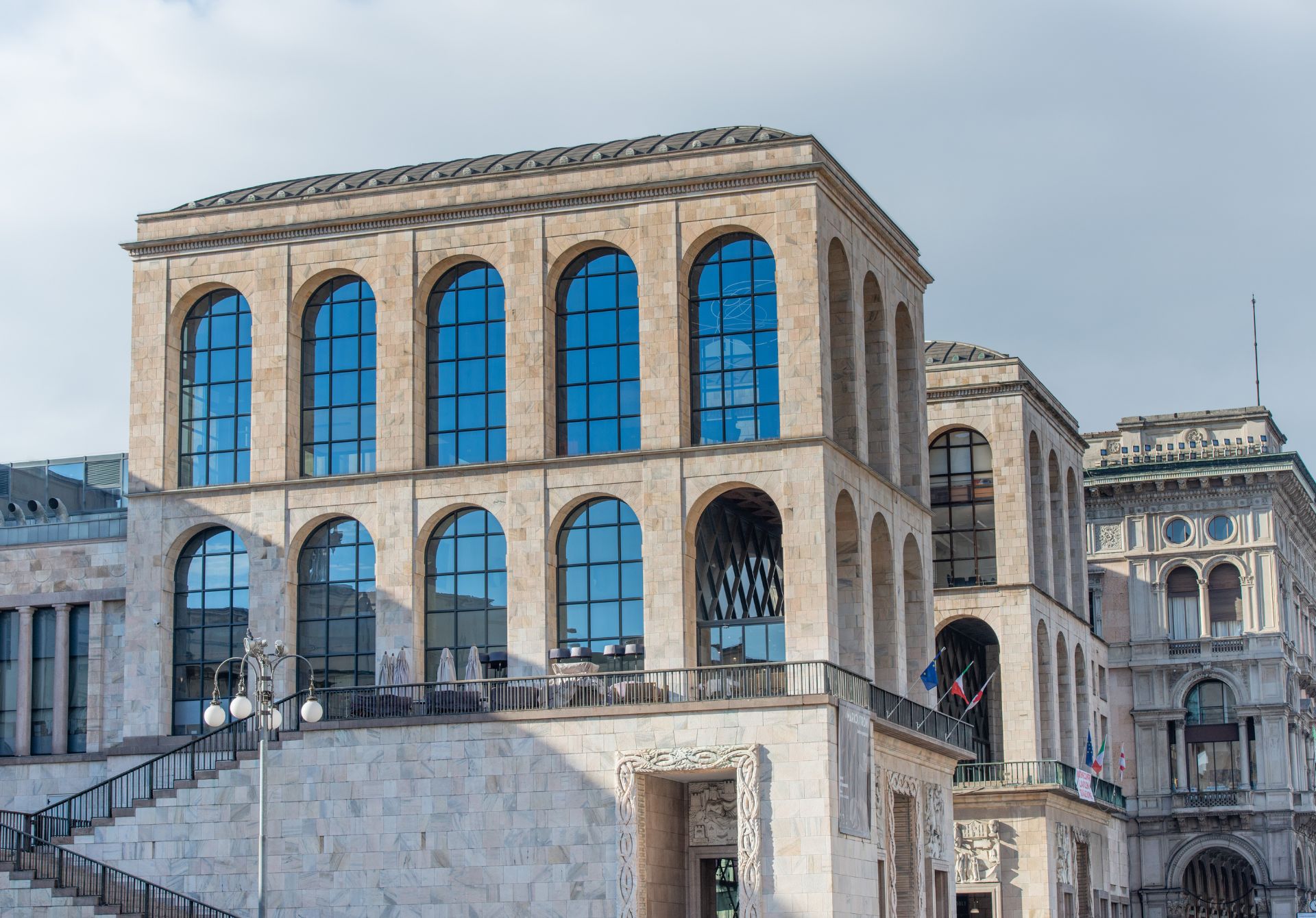
What makes this place special? Well, for starters, you’re literally steps away from the Duomo. The museum occupies the Palazzo dell’Arengario, a striking building that once served as Mussolini’s platform for addressing massive crowds. Today, it’s been brilliantly transformed into a space where Italian modernism comes alive.
The Building Itself Is a Work of Art
Before you even start looking at paintings, take a moment to appreciate where you are. The museum is built around a futuristic spiral ramp that pays homage to the Guggenheim, and it’s absolutely stunning. This architectural feature connects every floor, from the metro station below all the way up to a panoramic terrace with knockout views of the Duomo.
The building was originally designed by architects Griffini, Magistretti, Muzio, and Portaluppi, then renovated by the Rota Group specifically to house this collection. The result is a perfect marriage between historic architecture and contemporary exhibition space.
What You’ll See Inside: A Journey Through Italian Modernism
The museum follows a chronological layout, which makes it super easy to navigate even if you’re not an art history buff. Here’s what to expect as you make your way through:
- Early 1900s Masters: Your journey begins with works by international heavyweights like Picasso, Braque, Kandinsky, and Modigliani. These pieces set the stage for what’s to come.
- The Futurism Rooms: This is where the museum really shines. Futurism emerged in Milan with Marinetti and aimed to break away from the past and tradition. You’ll find incredible works by Giacomo Balla, Umberto Boccioni, and Gino Severini. Don’t rush through this section.
- Abstract Art and Individual Geniuses: Sections are dedicated to individual artists such as Giorgio de Chirico, Lucio Fontana and Morandi, as well as art movements including Abstractionism, Arte Povera, and Realism.
- Post-War Movements: The collection continues through Informalism, Kinetic art, and Pop art, giving you a complete picture of how Italian art evolved throughout the century.
The Crown Jewel: The Fontana Hall
Save some energy for the top floor because it’s absolutely spectacular. The entire level is dedicated to Lucio Fontana, the founder of Spatialism, and features his famous neon installations with the Piazza del Duomo as your backdrop. This immersive room offers one of the best views in Milan for photographing the cathedral, and when those neon lights illuminate the square at night, it’s pure magic.
Practical Information for Your Visit
The museum is open Monday from 14:30 to 19:30, Tuesday, Wednesday, Friday and Sunday from 09:30 to 19:30, and Thursday and Saturday from 09:30 to 22:30. The extended hours on Thursday and Saturday evenings are perfect if you want to experience the museum with fewer crowds.
Standard tickets cost €10, with reduced admission at €8 for over 65s and university students. Here’s a money-saving tip: entrance is only €6 on Tuesday afternoons after 14:00 and during the last two hours before closing any day of the week.
Insider Tips from a Concierge’s Perspective
- Timing is everything: Visit during Thursday or Saturday evening for extended hours and a more intimate experience. The museum is typically less crowded during weekday mornings.
- Don’t skip the amenities: There’s a fantastic restaurant-bar on the top floor with Duomo views. It’s a great spot to decompress after taking in all that art.
- Combine your visit: The museum connects to the Royal Palace via an elevated walkway, where you’ll find works from the 1960s through 1980s, including movements like Arte Povera.
- Location advantage: Since you’re already in Piazza del Duomo, you can easily combine this with visits to the cathedral, Galleria Vittorio Emanuele II, and other central attractions.
- Audio guides available: Consider getting the audio guide for a deeper understanding of the collection. With over 40 points of interest, it really enriches the experience.
Why Art Lovers and Casual Visitors Both Adore This Place
What I love recommending about the Museo del Novecento is its accessibility. You don’t need to be an art expert to appreciate what’s here. The chronological layout tells a clear story of Italian artistic evolution through one of history’s most tumultuous and creative centuries. From the optimism of Futurism to the experimentation of Arte Povera, you’re witnessing Italy’s artistic soul laid bare.
Plus, there’s something incredibly moving about seeing how Italian artists responded to fascism, world wars, and rapid modernization. The collection serves as both an art history lesson and a social commentary on Italy’s 20th-century journey.
The Bottom Line
The Museo del Novecento offers an enriching cultural experience that perfectly complements Milan’s reputation as a city where history and modernity coexist. With its unbeatable location steps from the Duomo, world-class collection of Italian modern art, and stunning architectural features like the spiral ramp and Fontana Hall, this museum deserves at least two hours of your Milan itinerary. Whether you’re an art enthusiast eager to see masterworks by Boccioni and Fontana or a casual tourist looking for an accessible introduction to 20th-century Italian culture, the Museo del Novecento delivers an unforgettable experience. The reasonable admission prices, extended evening hours on weekends, and that incredible rooftop restaurant with Duomo views are just the icing on the cake. Book your tickets, bring your camera for that Fontana Hall view, and prepare to see Milan’s artistic heart in a whole new light.