
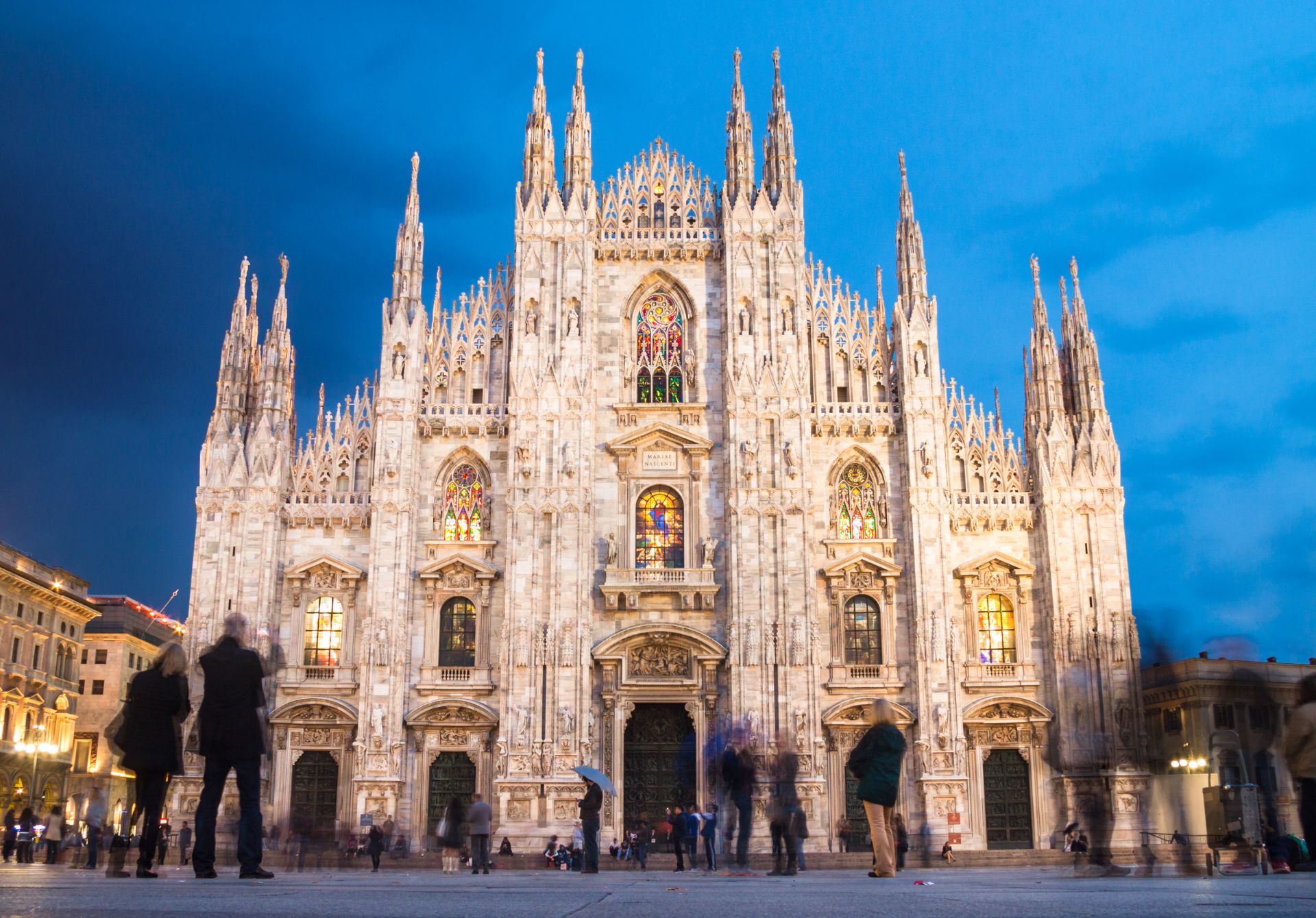
Standing majestically in the heart of Milan, the Duomo di Milano isn’t just a cathedral—it’s a living testament to human ambition, artistic genius, and unwavering faith spanning nearly six centuries. If you’re planning a trip to Milan, this Gothic marvel absolutely deserves a spot at the top of your itinerary.
A Monument Built Across Six Centuries
When construction commenced in 1386, it launched an architectural odyssey that wouldn’t reach completion until 1965. Think about that for a moment—this building witnessed the Renaissance, survived wars, and watched empires rise and fall, all while still being constructed.
The project began when Archbishop Antonio da Saluzzo conceptualized the cathedral to honor Gian Galeazzo Visconti, Milan’s ruler. What started as one man’s vision transformed into a multigenerational endeavor that would employ thousands of craftsmen, sculptors, and architects from across Europe. The specially created organization, the Veneranda Fabbrica del Duomo, has overseen the cathedral’s construction and preservation since 1387 and continues this work today.
Milan’s ruler made a pivotal decision to use Candoglia marble rather than traditional Lombard brick, giving the cathedral its distinctive pinkish-gray shimmer that catches the light beautifully. This choice set the tone for what would become one of the world’s most ornate structures.
Breathtaking Architecture That Commands Attention
At roughly 126,000 square feet, the Duomo ranks among the world’s largest Roman Catholic cathedrals, and its dimensions are genuinely staggering. But it’s not just about size—it’s the intricate details that make this place unforgettable.
Here’s what makes the Duomo architecturally extraordinary:
- The cathedral features 3,400 statues, 135 gargoyles, and 700 figures decorating its exterior and interior—more statuary than any other building worldwide
- Standing at 135 spires, each one uniquely sculpted, creating that iconic forest-like silhouette against Milan’s skyline
- The interior contains five naves capable of holding up to 40,000 visitors, making it feel like you’re walking through a marble forest
- Flying buttresses and intricate tracery windows showcase classic Gothic engineering at its finest
- The highest spire reaches 108.5 meters (356 feet), topped by the beloved Madonnina statue
The golden statue of the Virgin Mary, known as La Madonnina, sits atop the tallest spire and has become such an important symbol that, by tradition, no building in Milan is allowed to exceed her height. This 18th-century addition watches over the entire city and represents Milan’s protective spirit.
The Legendary Rooftop Terraces
Here’s where your visit gets truly magical. The main terrace spans approximately 1,530 square meters and rises 65 meters above ground, offering you a unique vantage point to appreciate the cathedral’s Gothic splendor up close.
Walking among the spires, you’ll get an intimate look at sculptures and architectural details that are invisible from ground level. The terrace features openwork pinnacles, delicate flying buttresses, and 150 gargoyle water spouts, each one a masterpiece of medieval craftsmanship. On clear days, you can even spot the snow-capped Alps in the distance—an absolutely breathtaking sight.
Treasures Hidden Inside
While the exterior steals most of the attention, the interior holds equally fascinating secrets. The cathedral houses some remarkable features that many visitors overlook:
- The Holy Nail: According to tradition, this relic was used during Christ’s crucifixion. Each year, the Archbishop ascends in a special wooden basket to retrieve it for temporary display
- The Sundial: A meridian line on the floor marks both the summer and winter solstices, demonstrating medieval astronomical knowledge
- St. Bartholomew Flayed: This anatomically detailed sculpture depicts the martyred saint and remains one of the most striking—and slightly unsettling—artworks in the cathedral
- Stained Glass Windows: The Duomo contains one of Europe’s largest collections of stained glass, depicting biblical scenes that glow beautifully when sunlight streams through
Beneath your feet lies another hidden gem: the archaeological complex reveals remnants dating back to Roman times, including two ancient churches and a baptistery, offering glimpses into Milan’s layered history.
Planning Your Visit: Practical Tips for Travelers
The cathedral is open daily from 9 AM to 7 PM, but timing your visit strategically can dramatically improve your experience. Based on visitor patterns and expert recommendations, here’s what you need to know:
Best Times to Visit:
- Arrive between 8 AM and 11 AM for the least crowded experience, with 8:50 AM being ideal if you want to be among the first inside
- Weekday visits offer a more relaxed atmosphere compared to tourist-packed weekends
- The best weather for visiting is April through May when spring temperatures average around 21 degrees Celsius
- Late afternoon visits can be lovely, though you’ll encounter more crowds
Ticket Information:
While entry to pray is free, exploring the interiors requires purchasing an entrance ticket starting at €10. Rooftop access costs €19 for adults and €10 for children under 18. Book your tickets online well in advance—they often sell out, particularly during peak tourist season.
You have two options for reaching the terraces: climbing 250 stairs from the south side or taking the elevator from the north side. Even with the elevator, you’ll need to climb an additional 50 steps to reach the central terrace, so comfortable shoes are essential.
Insider Tips from Experienced Visitors:
- Always purchase tickets online to skip the potentially hour-long entrance queues
- Allocate at least 2-4 hours for a comprehensive visit including the cathedral, terraces, and museum
- Wear comfortable walking shoes—marble floors can be tiring after extended exploration
- Avoid visiting during heavy rain or extreme heat, as the rooftop is open-air
- Consider booking a guided tour to uncover hidden stories and architectural details you’d otherwise miss
- Don’t skip the Duomo Museum across the piazza—it’s included in most tickets and features fascinating historical artifacts
Getting There
The cathedral sits in Milan’s city center, accessible via Metro lines M1 or M3 to Duomo station. You’ll emerge right in Piazza del Duomo, where the cathedral’s magnificent facade immediately commands your attention. The location is also within easy walking distance of other major attractions like Galleria Vittorio Emanuele II and La Scala opera house.
Why the Duomo di Milano Matters
This isn’t just another pretty church to check off your bucket list. The Milan Cathedral stands as a spiritual, cultural, and architectural beacon that continues captivating visitors from around the world. It represents the intersection of faith, art, politics, and human determination across multiple centuries.
Seventy-eight architects worked on the structure over 500 years, including legendary figures like Leonardo da Vinci, who consulted on engineering challenges. Each generation added their vision while respecting what came before, creating a harmonious blend of Gothic, Renaissance, and Neoclassical elements that somehow work together beautifully.
The Duomo embodies Milan’s spirit—ambitious, elegant, and constantly evolving while honoring tradition. It’s witnessed coronations, survived bombings during World War II, and served as a gathering place for Milanese residents during their city’s most significant moments.
Final Thoughts: Make It Memorable
The Duomo di Milano represents everything that makes European travel worthwhile—history you can touch, beauty that takes your breath away, and stories that span centuries. Whether you’re an architecture enthusiast, a history buff, a photography lover, or simply someone who appreciates extraordinary human achievement, this cathedral delivers on every level.
Don’t rush through it. Take your time wandering the naves, climb to the rooftop terraces even if it’s a workout, explore the underground archaeological site, and simply sit for a moment to absorb the atmosphere. This is a place that rewards patience and curiosity.
With nearly six centuries of construction, countless artistic contributions, and an unwavering position at the heart of Milan, the Duomo di Milano isn’t just worth visiting—it’s an experience that will stay with you long after you’ve returned home. Book those tickets, pack your walking shoes, and prepare to be amazed by one of humanity’s most remarkable architectural achievements.