
If you’re planning a trip to Milan, there’s one attraction that absolutely cannot be missed: Leonardo da Vinci’s The Last Supper. This isn’t just another painting—it’s one of the most celebrated artworks in human history, and seeing it in person is an experience you’ll remember forever. But here’s the thing: visiting this Renaissance masterpiece requires some serious planning. Let me walk you through everything you need to know to make your visit unforgettable.
What Makes The Last Supper So Special?
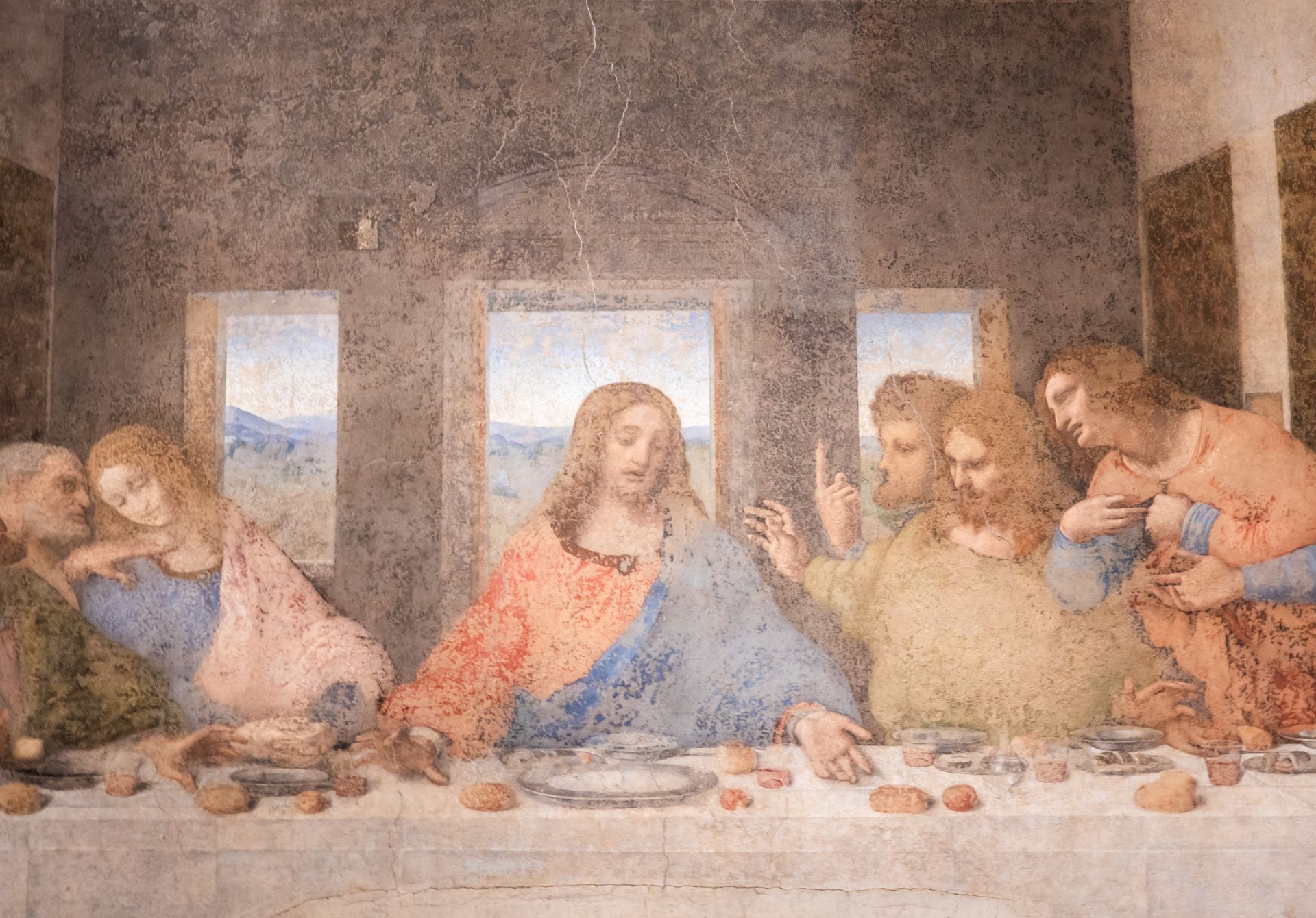
Let’s start with why this painting is worth all the fuss. Created between 1495 and 1498, The Last Supper captures the dramatic moment when Jesus tells his twelve apostles that one of them will betray him. What Leonardo did was revolutionary—instead of painting serene, static figures like artists before him, he captured raw human emotion in motion.
The painting measures an impressive 15 feet high by 29 feet wide and covers the entire north wall of the refectory in the Santa Maria delle Grazie convent. Leonardo arranged the apostles in four groups of three on either side of Jesus, whose body forms a perfect triangle at the center. Each apostle reacts differently to Jesus’s announcement—you can see shock, denial, anger, and grief written across their faces.
What really blows art historians away is Leonardo’s masterful use of perspective and light. The way he created depth and brought these figures to life was groundbreaking for its time. In fact, many experts consider this work to mark the beginning of the High Renaissance period.
A Masterpiece That Nearly Didn’t Survive
Here’s where things get interesting—and a bit heartbreaking. Leonardo was an experimenter, and instead of using the traditional fresco technique, he painted with tempera and oil on a dry wall. This allowed him to work at his own pace and make revisions, but it also meant the painting started deteriorating almost immediately after completion.
Over the centuries, The Last Supper has been through hell and back. Napoleon’s troops used the refectory for target practice during the French Revolutionary Wars. In 1943, Allied bombing during World War II tore off the roof, leaving the painting exposed to the elements for years. Miraculously, the wall with The Last Supper remained standing while the rest of the building collapsed around it.
The most recent restoration, completed in 1999, took over twenty years. Restorers painstakingly scraped away centuries of overpainting and damage, working centimeter by centimeter to reveal as much of Leonardo’s original work as possible. What you see today is the closest we’ll ever get to Leonardo’s original vision.
The Ticket Challenge: Plan Ahead or Miss Out
Pro Tip: This is probably the most important section of this entire guide. The Last Supper has strict visitor limits, and tickets sell out weeks—sometimes months—in advance. Don’t make the mistake of thinking you can just show up!
To protect this fragile masterpiece, only 40 visitors are allowed in every 15 minutes. Yes, you read that right—you get exactly 15 minutes to view the painting. The room has a sophisticated climate control system that maintains perfect temperature and humidity levels, and you’ll pass through an airlock before entering.
Standard tickets cost €15 per person and must be booked in advance. Even children and infants need reservations (though kids under 18 enter free). The official website releases tickets in quarterly blocks, and they typically go on sale at noon Rome time on announced dates. Set yourself a reminder and be ready to book the moment tickets become available.
If official tickets are sold out—which they usually are—don’t panic. Here are your alternatives:
- Book a guided tour: Tour companies reserve blocks of tickets and include skip-the-line access. Yes, they cost more (typically €50-80), but you get expert commentary and guaranteed entry. Many tours combine The Last Supper with other Milan highlights like the Duomo and Sforza Castle.
- Try for free first-Sunday tickets: On the first Sunday of each month, admission is free—but these tickets are released the preceding Wednesday at noon and disappear almost instantly.
- Check for cancellations: Sometimes the ticket office at Santa Maria delle Grazie releases same-day cancellations. Arrive by 7:00 AM to queue for your chance.
- Ask your hotel concierge: Many upscale hotels have connections and can secure tickets (for a fee, of course).
Visiting Hours and Practical Information
The Last Supper Museum is open Tuesday through Sunday from 8:15 AM to 7:00 PM, with the last entry at 6:45 PM. It’s closed on Mondays, New Year’s Day, May 1st, and Christmas Day. When you book, you’ll be assigned a specific time slot—arrive at least 30 minutes early, because if you’re late, you won’t get in. There are no refunds or rescheduling for missed time slots.
Getting there is straightforward. Take Metro Line 1 (the red line) to Conciliazione station—it’s just a three-minute walk from there. Alternatively, Tram Line 16 stops right in front of Santa Maria delle Grazie. From the Duomo, it’s a pleasant 20-minute walk through Milan’s elegant streets.
Making the Most of Your 15 Minutes
Fifteen minutes might not sound like much, but trust me, it’s enough time to appreciate this masterpiece if you come prepared. Since you can’t rush in there and wing it, here’s what to focus on:
- The central triangle: Notice how Jesus forms a perfect triangle, creating a sense of divine stability amid the chaos around him.
- Judas in shadow: Unlike earlier depictions that gave everyone halos, Leonardo distinguished Judas by casting his face in shadow—he’s the one clutching the purse with his betrayal money.
- Peter’s knife: The apostle Peter holds a knife in his right hand, foreshadowing how he’ll try to protect Jesus during the arrest.
- The spilled salt: Look for the knocked-over salt cellar near Judas—a symbol of treachery in Italian culture.
- Individual reactions: Each apostle reacts uniquely to Jesus’s announcement. Some lean in, others pull back, some gesture emphatically—Leonardo captured an entire spectrum of human emotion.
Photography is allowed (no flash, tripods, or selfie sticks), so take your photos quickly at the beginning, then spend the rest of your time simply looking. Audio guides are available for rent, or you can download the museum’s free app before your visit.
Don’t Miss What’s Around You
While you’re there, take a moment to turn around. On the opposite wall is another masterpiece that most visitors completely ignore: “The Crucifixion” by Donato Montorfano, painted around the same time. After your viewing time ends, you’ll walk through a small museum with fascinating information about the painting’s history and the seven major restorations it’s undergone.
The Santa Maria delle Grazie church itself is worth exploring—it’s a UNESCO World Heritage site with beautiful Renaissance architecture. If you’ve got time, Leonardo’s vineyard is right across the street and open to visitors. The Duke of Milan gave Leonardo this plot of land while he worked on The Last Supper.
Combining Your Visit with Other Milan Attractions
Milan might be Italy’s business capital, but it’s packed with incredible sights within walking distance of The Last Supper. The magnificent Gothic Duomo is about 20 minutes away on foot, and you can easily spend an hour exploring the cathedral and its rooftop terraces. The Galleria Vittorio Emanuele II, Italy’s oldest shopping arcade, connects the Duomo to La Scala opera house—both worth quick visits.
Sforza Castle is only 15 minutes from Santa Maria delle Grazie and houses several museums. If you’re an art lover, the Pinacoteca di Brera has an outstanding collection of Italian paintings. And if you want to follow Leonardo’s footsteps further, the Museo Nazionale Scienza e Tecnologia has an entire section dedicated to his inventions and designs.
The Bottom Line
Visiting The Last Supper isn’t like wandering into just any museum. This is one of humanity’s greatest artistic achievements, and the strict viewing conditions exist for good reason—to preserve it for future generations. Yes, the limited access and advance booking can be frustrating. Yes, fifteen minutes feels too short. But standing in that refectory, in the exact spot where Leonardo painted over 500 years ago, looking at the same wall that has witnessed centuries of history—it’s absolutely magical.
The key to a successful visit is planning ahead. Book your tickets the moment they become available, or secure a spot on a guided tour. Arrive early. Do a bit of reading beforehand so you know what to look for. And when you finally step into that climate-controlled room and see the painting for yourself, take a deep breath and soak it all in. Those 15 minutes will be some of the most memorable of your entire trip to Milan.
Milan welcomed 8.5 million tourists in 2023, and a huge percentage of them made The Last Supper their top priority. Now you know exactly how to join their ranks and experience this Renaissance masterpiece for yourself. Trust me—it’s worth every bit of effort it takes to get there.